
Navigating the Cannabis Access Gap: What Veterans Need to Know About Medical Marijuana

Memorial Day weekend often marks the start of summer, but it also serves as a time to remember the sacrifices made by those who served in the military. For many veterans, the challenges don’t end when they leave the battlefield. Chronic pain, post-traumatic stress disorder (PTSD), anxiety, and sleep difficulties are common struggles. Cannabis has emerged as a potential option to help manage these issues, yet accessing medical marijuana remains complicated due to conflicting federal and state laws. This post explores the cannabis access gap for veterans, the barriers they face, and what they need to know to navigate this complex landscape.
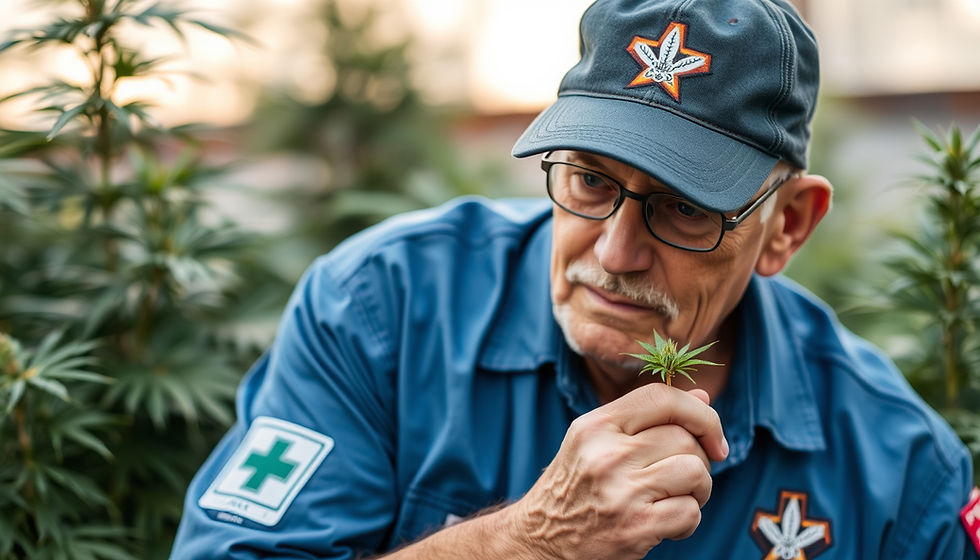
Why Veterans Turn to Cannabis
Many veterans live with conditions that traditional treatments do not fully address. Chronic pain from injuries, PTSD, anxiety, and insomnia often require long-term management. Opioids have been a common prescription, but they carry risks of addiction and side effects. Cannabis offers an alternative that some veterans find helpful for:
Reducing chronic pain without the addictive risks of opioids
Easing symptoms of PTSD and anxiety
Improving sleep quality
Providing a sense of relief with fewer side effects
Research on cannabis for these conditions is growing but still limited. The Department of Veterans Affairs (VA) does not currently prescribe or recommend cannabis, largely due to federal restrictions. This leaves many veterans caught between their healthcare needs and legal barriers.
The Federal-State Conflict on Medical Marijuana
The biggest challenge for veterans is the legal conflict between federal and state laws. Cannabis remains illegal under federal law, classified as a Schedule I substance. However, many states have legalized medical marijuana, with some allowing recreational use. This creates confusion and limits access for veterans who receive care through the VA, a federal agency.
VA Policy: The VA cannot prescribe or provide medical marijuana. It also cannot pay for cannabis treatment or recommend it officially.
State Laws: Veterans living in states with medical marijuana programs may qualify for cannabis use under state law, but this does not guarantee VA support or coverage.
Employment and Benefits: Using cannabis can affect veterans’ employment, security clearances, and benefits, depending on federal rules and employer policies.
This gap means veterans often have to navigate two different systems, risking legal or administrative consequences if they use cannabis without clear guidance.
Access Challenges Specific to Veterans
Veterans face unique hurdles when trying to access medical marijuana:
Lack of VA Support: Without VA endorsement, veterans must seek cannabis treatment outside their primary healthcare system. This can lead to fragmented care and lack of medical oversight.
Stigma and Misinformation: Some veterans hesitate to discuss cannabis use with their doctors due to stigma or fear of losing benefits.
Cost and Availability: Medical marijuana is not covered by insurance, including VA benefits. Veterans must pay out of pocket, which can be expensive.
Legal Risks: Veterans living in states without medical marijuana laws have no legal access, and federal law enforcement could potentially intervene.
These barriers make it difficult for veterans to safely and consistently use cannabis as part of their treatment plan.
Practical Steps Veterans Can Take
Despite these challenges, veterans interested in medical marijuana can take several steps to better understand and manage their options:
Research State Laws
Understand the medical marijuana laws in your state, including qualifying conditions and registration requirements. Some states specifically include PTSD and chronic pain as qualifying conditions for veterans.
Consult Healthcare Providers
Talk openly with your VA or private healthcare provider about your symptoms and interest in cannabis. While the VA cannot prescribe cannabis, some providers may offer guidance on safe use or alternative treatments.
Consider Private Medical Cannabis Clinics
In states where medical marijuana is legal, private clinics can provide evaluations and recommendations. These clinics operate outside the VA system but can help veterans access legal cannabis.
Understand the Risks
Be aware of potential impacts on employment, benefits, and legal status. Veterans should weigh these risks carefully before using cannabis.
Explore Support Networks
Veteran advocacy groups and cannabis organizations often provide resources, education, and community support for veterans navigating cannabis use.
Examples of State Programs Supporting Veterans
Some states have taken steps to make medical marijuana more accessible for veterans:
Arizona allows veterans to qualify for medical marijuana with a diagnosis of PTSD or chronic pain, and the state offers a streamlined application process for veterans.
California includes PTSD as a qualifying condition and has veteran-specific outreach programs to educate and assist veterans.
New Mexico has a veteran registry that helps veterans access medical cannabis with reduced fees and priority processing.
These programs show how state-level efforts can help bridge the access gap, but the federal conflict remains a barrier.

The Future of Cannabis Access for Veterans
The conversation around cannabis and veterans is evolving. Some lawmakers and advocacy groups push for changes that would allow the VA to research and potentially recommend medical marijuana. Bills have been introduced in Congress to remove cannabis from Schedule I and to fund research on its benefits for veterans.
Veterans and their families can contribute by sharing their experiences and supporting advocacy efforts. Increased research and policy changes could lead to clearer guidance and safer access in the future.
Final Thoughts
Veterans face a complex and often frustrating path when it comes to medical marijuana. The federal-state conflict, lack of VA support, and legal risks create a significant access gap. Still, cannabis remains a promising option for many veterans managing pain, PTSD, and other conditions.
Veterans interested in medical marijuana should educate themselves on state laws, consult healthcare providers, and carefully consider the risks and benefits. Support networks and advocacy groups can provide valuable resources. As policies evolve, the hope is for clearer, safer access that respects the sacrifices veterans have made.
If you are a veteran considering medical marijuana, take the time to gather information and seek professional advice. Your health and well-being deserve thoughtful care and support.


Comments