
Will THC Drinks Thrive or Fade Away as Legal Challenges Emerge

THC beverages are quickly becoming a popular choice for cannabis consumers. These drinks offer a discreet, low-dose, and smoke-free way to enjoy cannabis, fitting easily into social occasions where alcohol might traditionally be served. Yet, despite their growing presence, THC drinks face a complicated legal future. Hemp-derived THC products currently exist in a gray area of federal law, and new regulations could drastically change the market by late 2026. This post explores why THC drinks have gained popularity, the legal challenges they face, and what the future might hold for this emerging product category.
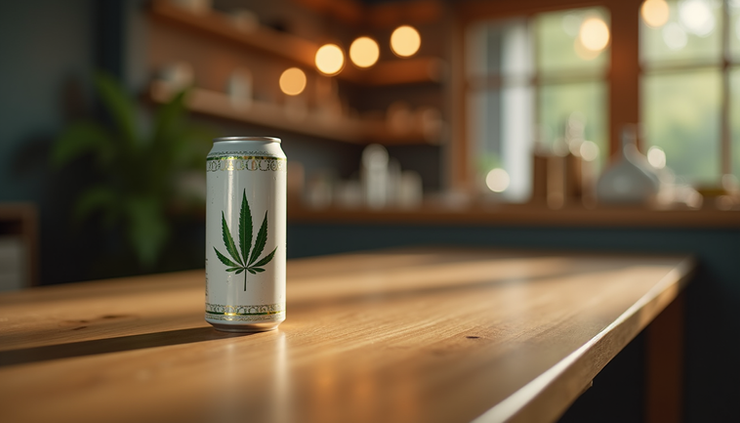
Why THC Drinks Are Gaining Popularity
THC drinks have carved out a unique niche in the cannabis market. Unlike traditional cannabis products like flower or edibles, these beverages are:
Discreet: They look like regular soft drinks or alcoholic beverages, making them easy to consume without drawing attention.
Low-dose: Many THC drinks contain controlled amounts of THC, allowing users to manage their intake more precisely.
Smoke-free: For those who want to avoid smoking or vaping, drinks offer a clean alternative.
Socially acceptable: THC drinks fit naturally into social settings where alcohol is common, such as parties, bars, or casual gatherings.
This combination makes THC beverages appealing to a broad audience, including those new to cannabis or those who want a more controlled experience. Brands have responded by creating a variety of flavors and formulations, from sparkling waters infused with THC to ready-to-drink cocktails.
The Legal Gray Area Surrounding Hemp-Derived THC Drinks
The rise of THC drinks is closely tied to hemp-derived THC, which is extracted from hemp plants containing less than 0.3% delta-9 THC by dry weight. The 2018 Farm Bill legalized hemp and its derivatives, but it did not clearly address all forms of THC, especially synthetic or converted forms like delta-8 THC, which are often used in beverages.
This legal ambiguity has allowed many companies to market THC drinks without clear federal oversight. However, this gray area is shrinking as regulators take a closer look. The Food and Drug Administration (FDA) and the Drug Enforcement Administration (DEA) have expressed concerns about the safety and legality of hemp-derived THC products, including beverages.
Reuters recently described the cannabis industry as being at an “inflection point.” On one side, there is growing momentum for broader federal cannabis reform. On the other, there are crackdowns on hemp products that do not fit neatly into existing laws. This tension creates uncertainty for THC drink manufacturers and consumers alike.
Potential Federal Restrictions and Their Impact
New federal rules are expected to clarify the status of hemp-derived THC products by late 2026. These regulations could:
Limit or ban certain forms of THC in beverages
Require stricter testing and labeling standards
Increase oversight on manufacturing and distribution
If these restrictions are strict, many current THC drinks could be removed from the market. Smaller companies might struggle to comply with new rules, while larger players could dominate by investing in compliance and lobbying efforts.
For example, some states have already banned delta-8 THC products due to safety concerns and unclear legality. If federal law follows suit, hemp-derived THC drinks containing delta-8 or similar compounds could disappear nationwide.
How the Industry Is Responding
Despite the uncertainty, many companies are adapting by:
Focusing on delta-9 THC products where legal
Developing formulations that comply with anticipated regulations
Engaging in advocacy for clearer, more favorable laws
Some brands are also emphasizing transparency and quality control to build consumer trust. This includes third-party lab testing and clear labeling of THC content and ingredients.
The industry is watching federal developments closely. Companies that can navigate the evolving legal landscape may emerge stronger, while others could be forced out.

What This Means for Consumers
For consumers, THC drinks offer a convenient and socially acceptable way to enjoy cannabis. But the legal uncertainty means:
Availability may vary widely by state and over time
Product formulations and potency could change
Prices might increase due to compliance costs
Consumers should stay informed about local laws and buy from reputable brands that provide clear product information. Understanding the source of THC in these drinks and the legal status in your area is essential to avoid surprises.
Looking Ahead: Will THC Drinks Survive?
The future of THC drinks depends on how federal regulators balance safety concerns with the growing demand for cannabis products. If lawmakers create clear, reasonable rules, THC beverages could become a mainstream option alongside alcohol and traditional cannabis products.
On the other hand, if restrictions tighten significantly, many hemp-derived THC drinks might vanish from shelves, at least temporarily. This could push the market toward fully legal adult-use cannabis states where delta-9 THC products are regulated more straightforwardly.
For now, THC drinks remain a promising but uncertain part of the cannabis landscape. Their discreet, low-dose, and smoke-free appeal has made them popular, but legal challenges could reshape the market in the next few years.


Comments